 David Dresser in the Division of Immunology at NIMR, Mill Hill. David pioneered models of immunological tolerance (Dresser and Mitchison 1968) leading to the “two-signal” hypothesis of lymphocyte activation.
David passed away early in 2020. Here is my memoir for his memorial : David Dresser, memoir by Rick Maizels
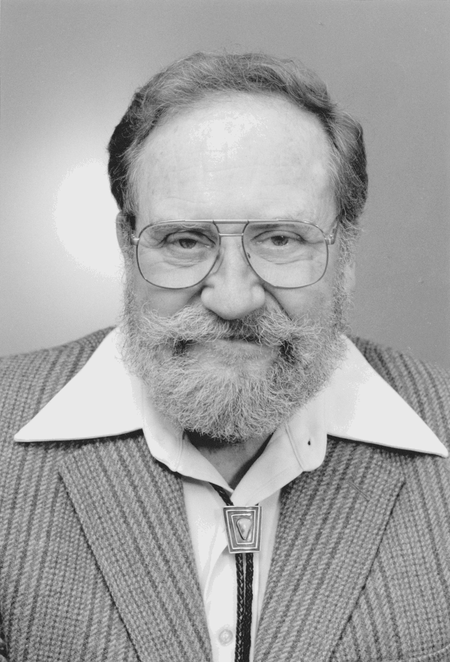 Ray Owen at the California Institute of Technology (CalTech), who first defined immunological tolerance with his landmark paper on freemartin cattle, “Immunogenetic Consequences of Vascular Anastomoses Between Bovine Twins” published in 1945.
Ray was the founder of Immunogenetics as a field. Ron Acton made a “family tree” of lab members at CalTech since 1948
CalTech published this tribute following his passing in 2014: Remembering Ray D. Owen (1915-2014).
 Eli Sercarz at University of California Los Angeles (UCLA). Eli was the most imaginative and visionary immunologist, the first to break down protein epitopes into stimulatory and regulatory (or “suppressor determinants”) way before the days of Tregs, using a natural set of sequence homologues from different gallinaceous birds, based around the prototype of Hen Egg Lysozyme (HEL). He was widely esteemed as can be seen in obituaries in Immunity, Nature Immunology, and even the Daily Telegraph, following his passing in 2009.
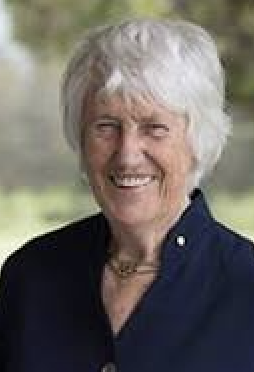 Bridget Ogilvie in the Division of Parasitology at NIMR, Mill Hill
Bridget passed away on 27 April 2026; she was an inspirational and courageous pioneer in both research science (at Mill Hill) and in global biomedicine (as Director of the Wellcome Trust. Our research work together on filariasis, toxocariasis and mouse models of gastrointestinal helminths took the field into the molecular age. She was an extraordinary figure in society as widely recorded in numerous obituaries in The Times, The Guardian and The Daily Telegraph, as well as Nature and The Lancet and the Wellcome Trust itself.